|
Archeology of Lugo |
|
|
The earliest records of the archaeological remains of ancient Lucus Augusti date back to the 16th century, and further information became known later, particularly thanks to the work of Pallares y Gayoso (Argos Divina, 1700). It was not until the 19th century that reports of new accidental discoveries became more widespread, such as the famous Batitales mosaic (1842). In the 20th century, the studies of prominent historians and local scholars are especially noteworthy. The year 1986 marked a turning point for archaeology and for the city of Lugo. Everything began with the construction of three underground car parks in the historic centre: Praza de Santo Domingo, Praza do Ferrol and Praza da Constitución. In Praza de Santo Domingo, the remains of a large domus with mosaics and a Roman road were uncovered. An incineration necropolis with more than 66 burials was found beneath Praza do Ferrol, along with three pottery kilns and remains of the aqueduct. |
|
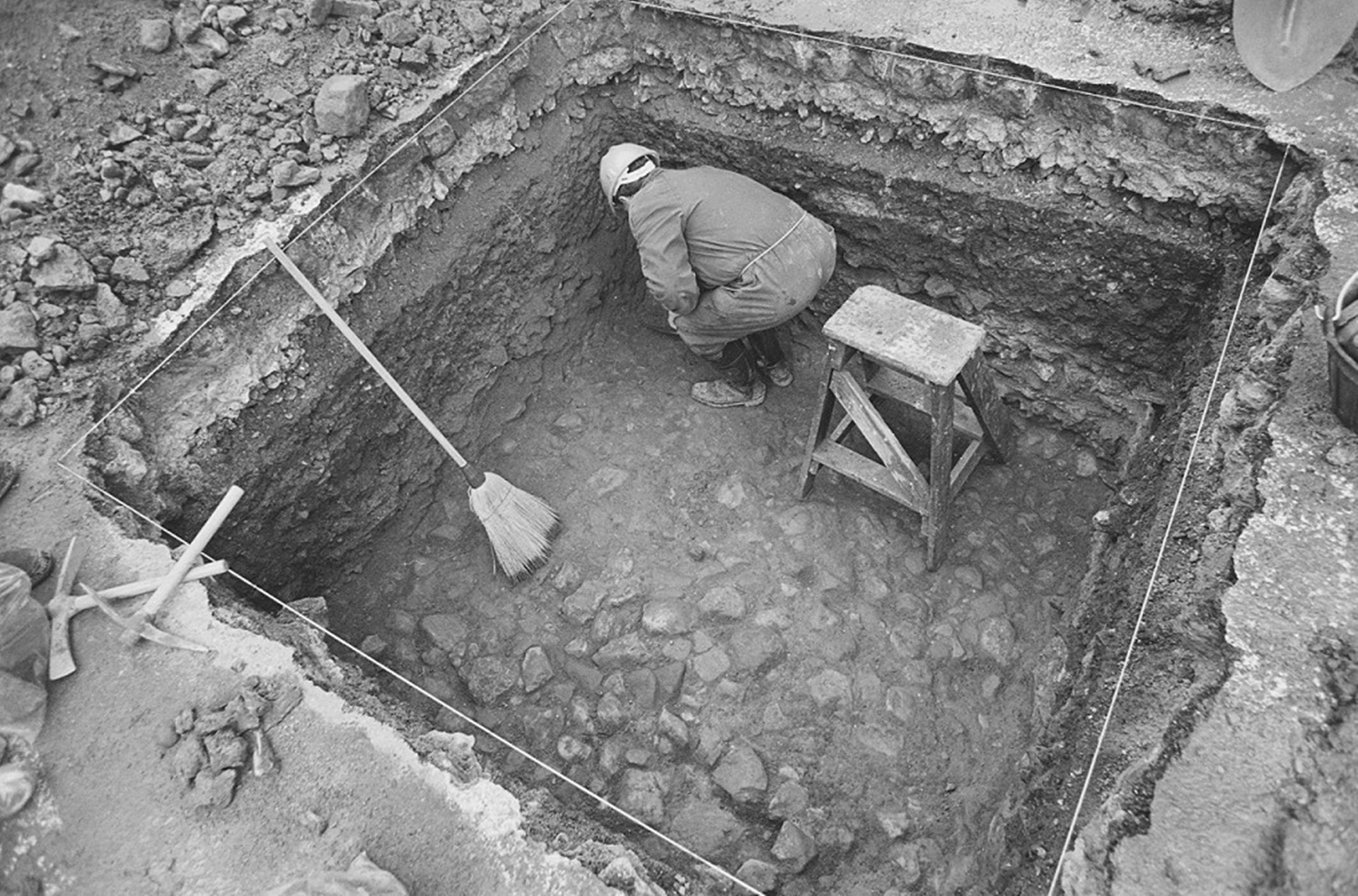 1986 · Praza de Santo Domingo
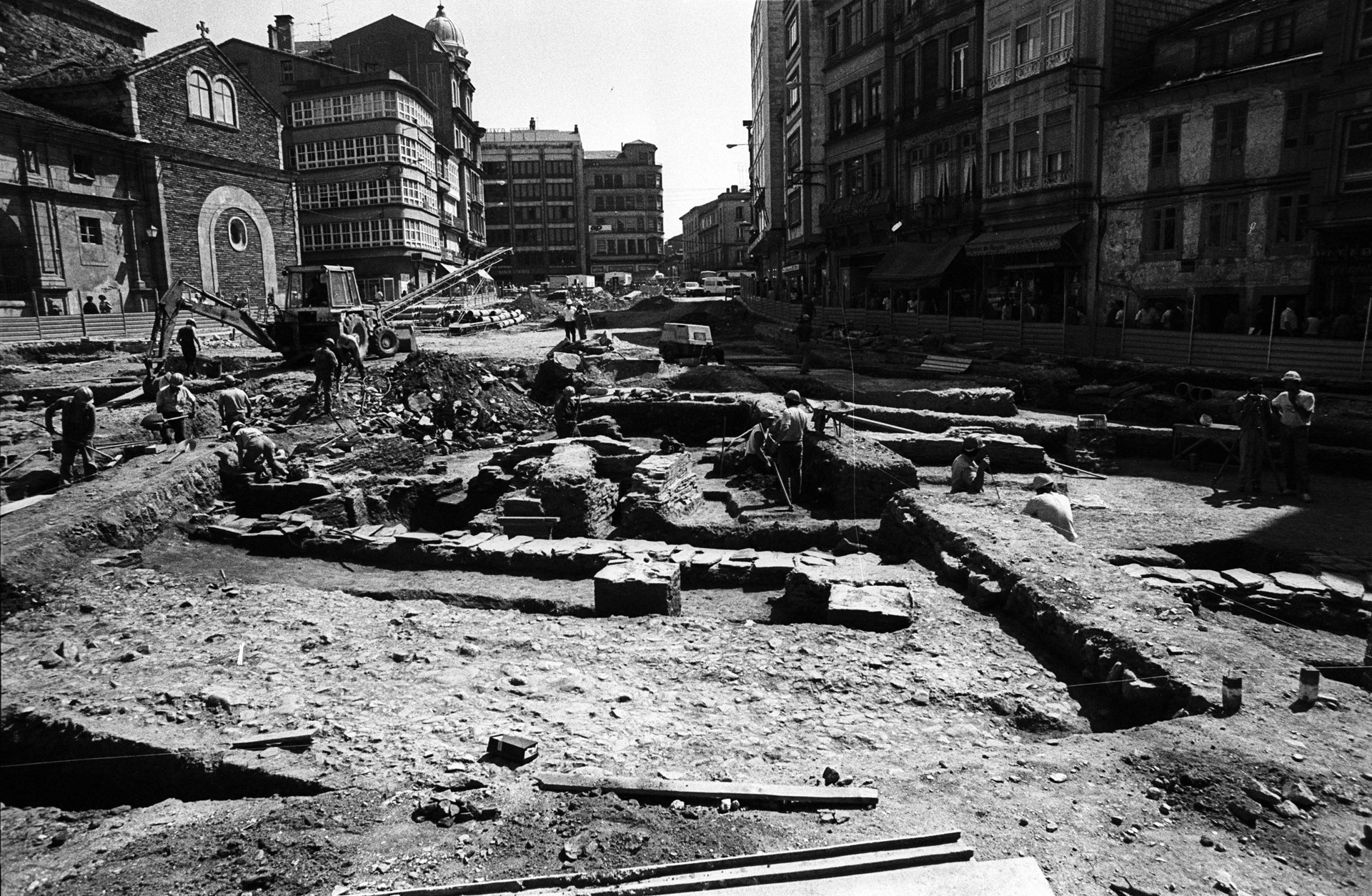 1986 · Praza de Santo Domingo
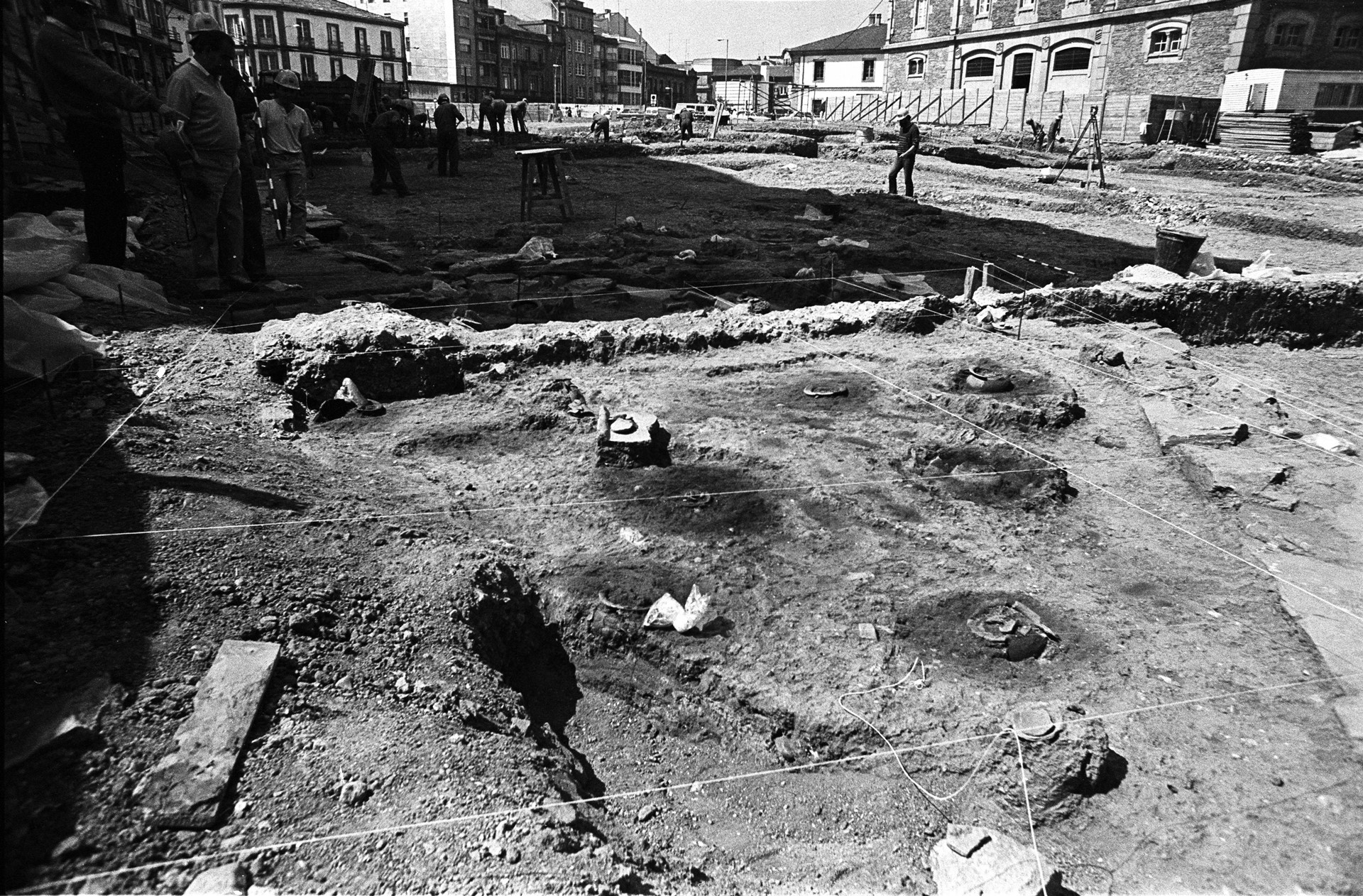 1986 · Praza de Ferrol
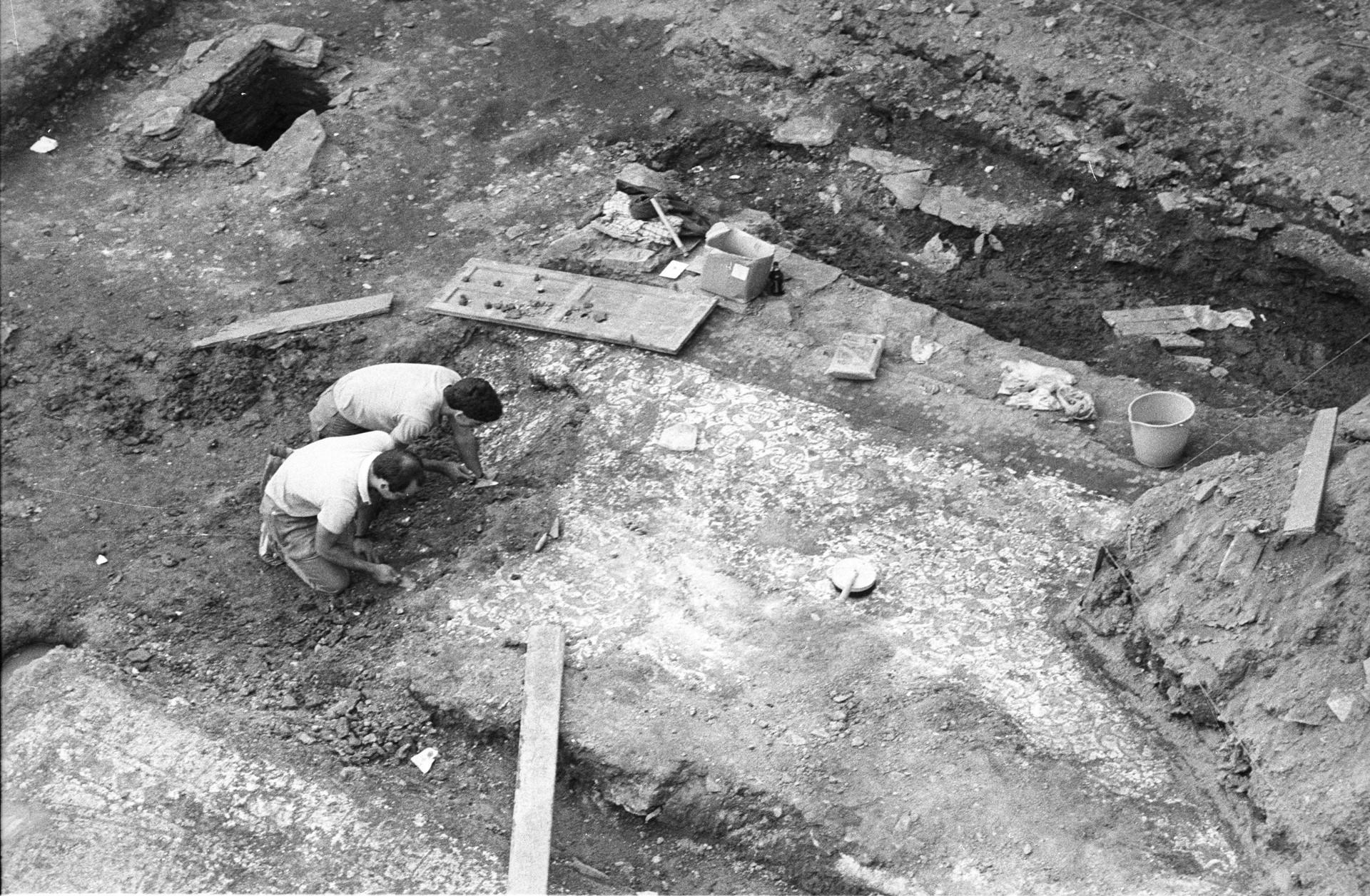 1986 · Rúa Armanyá, 10
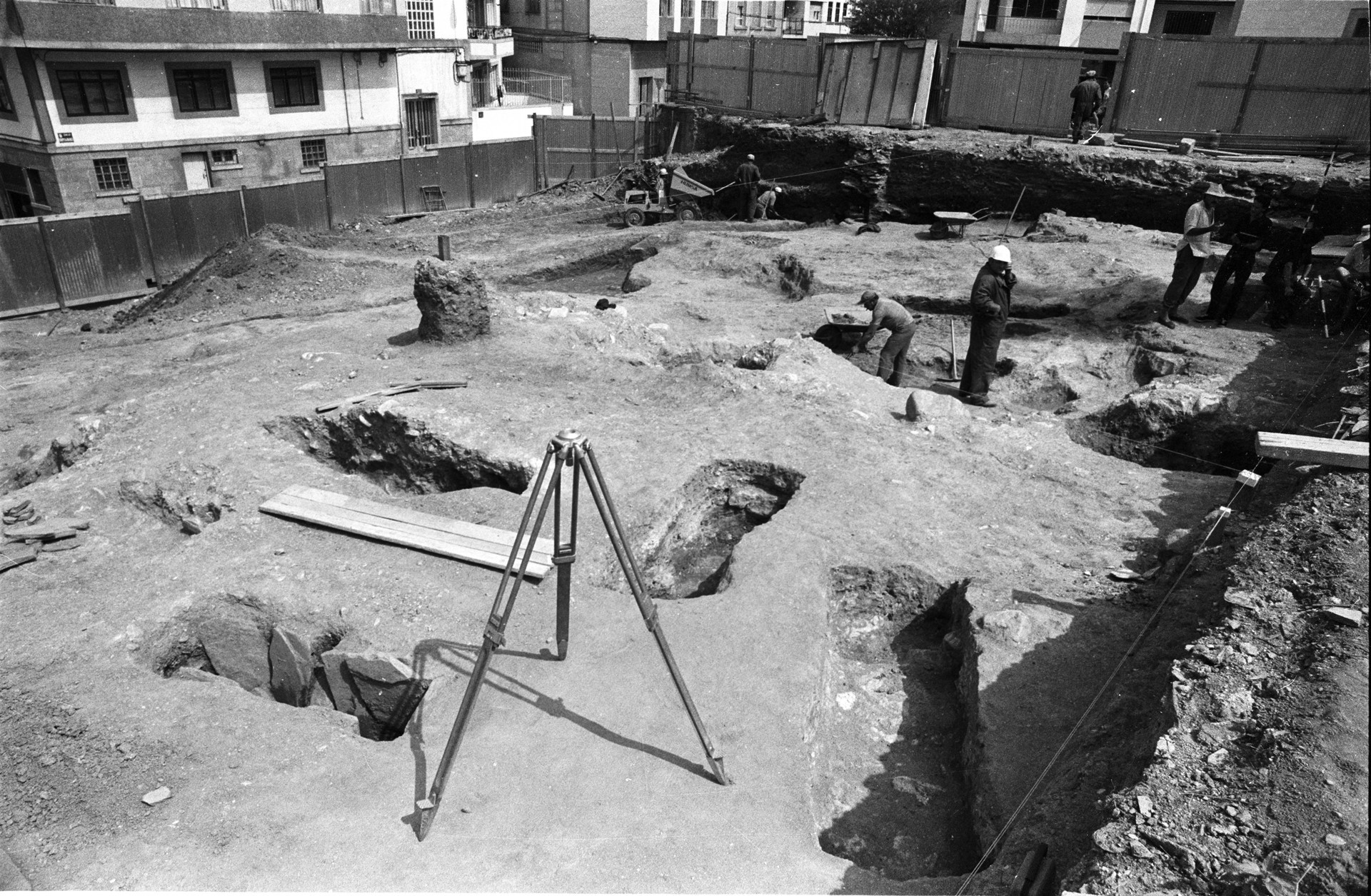 1989 · Xardín de San Roque
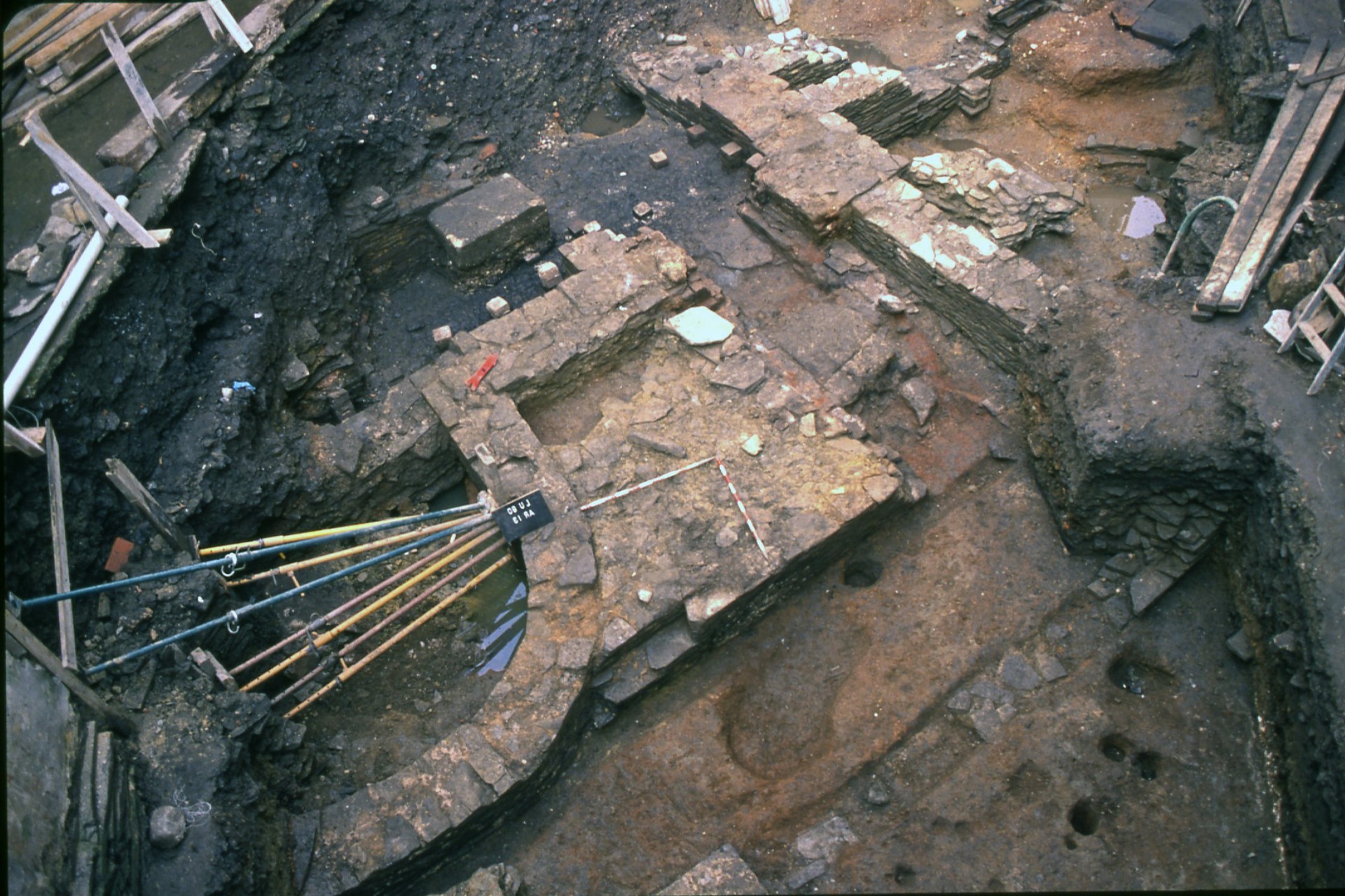 1990 · Rúa Armanyá, 13
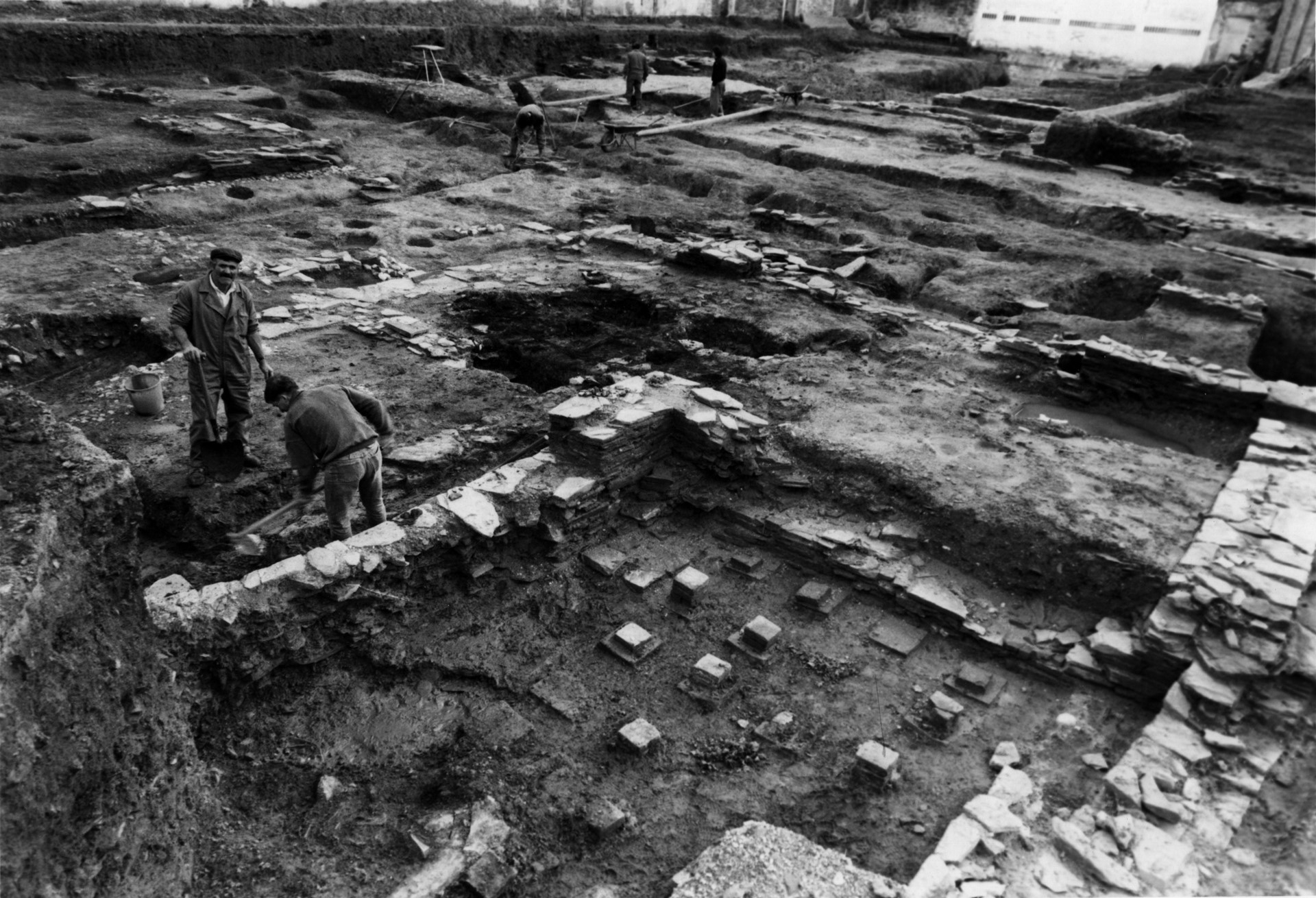 1993 · Rúa Anxel Fole, 13
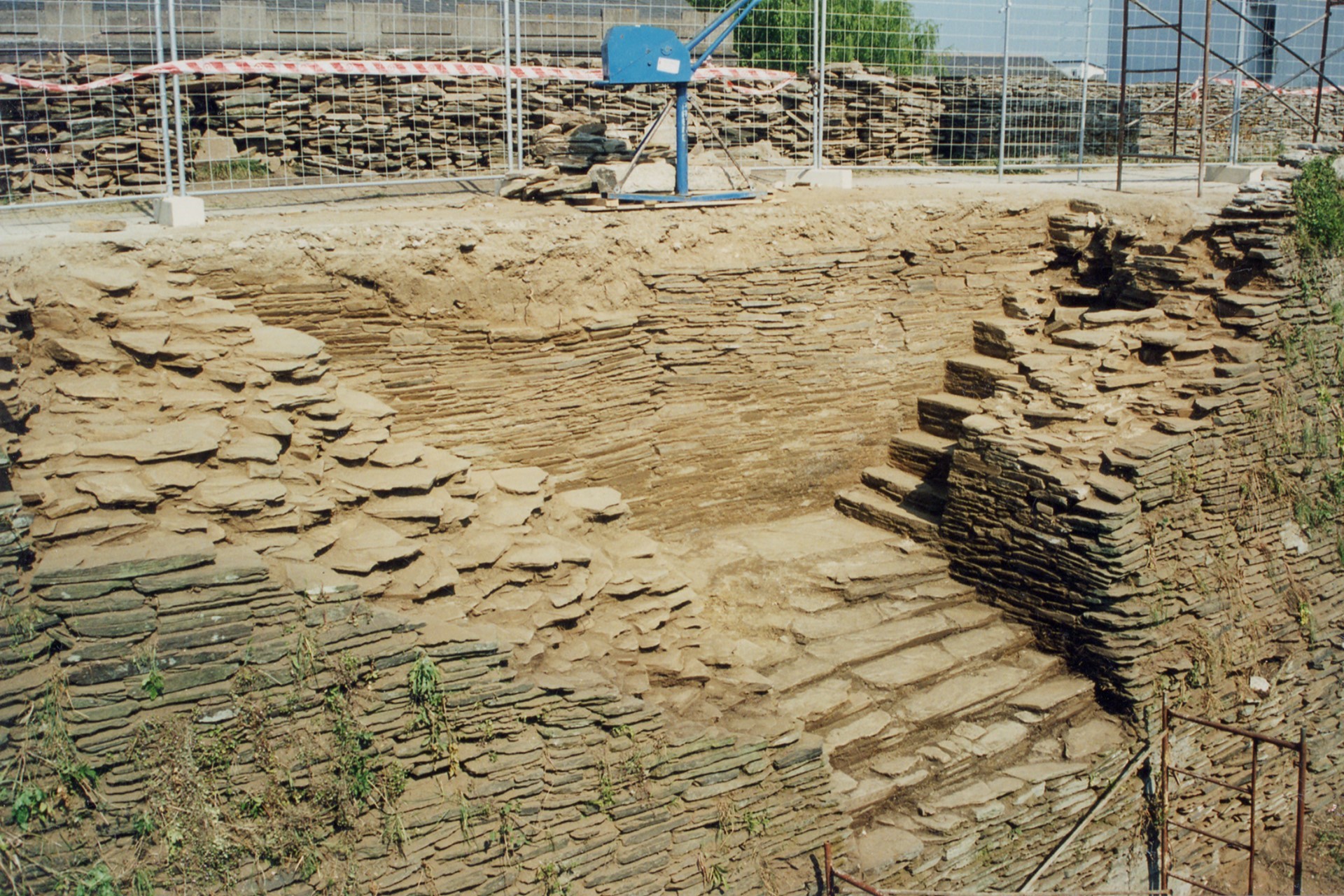 1998 · Muralla, Cubo 61
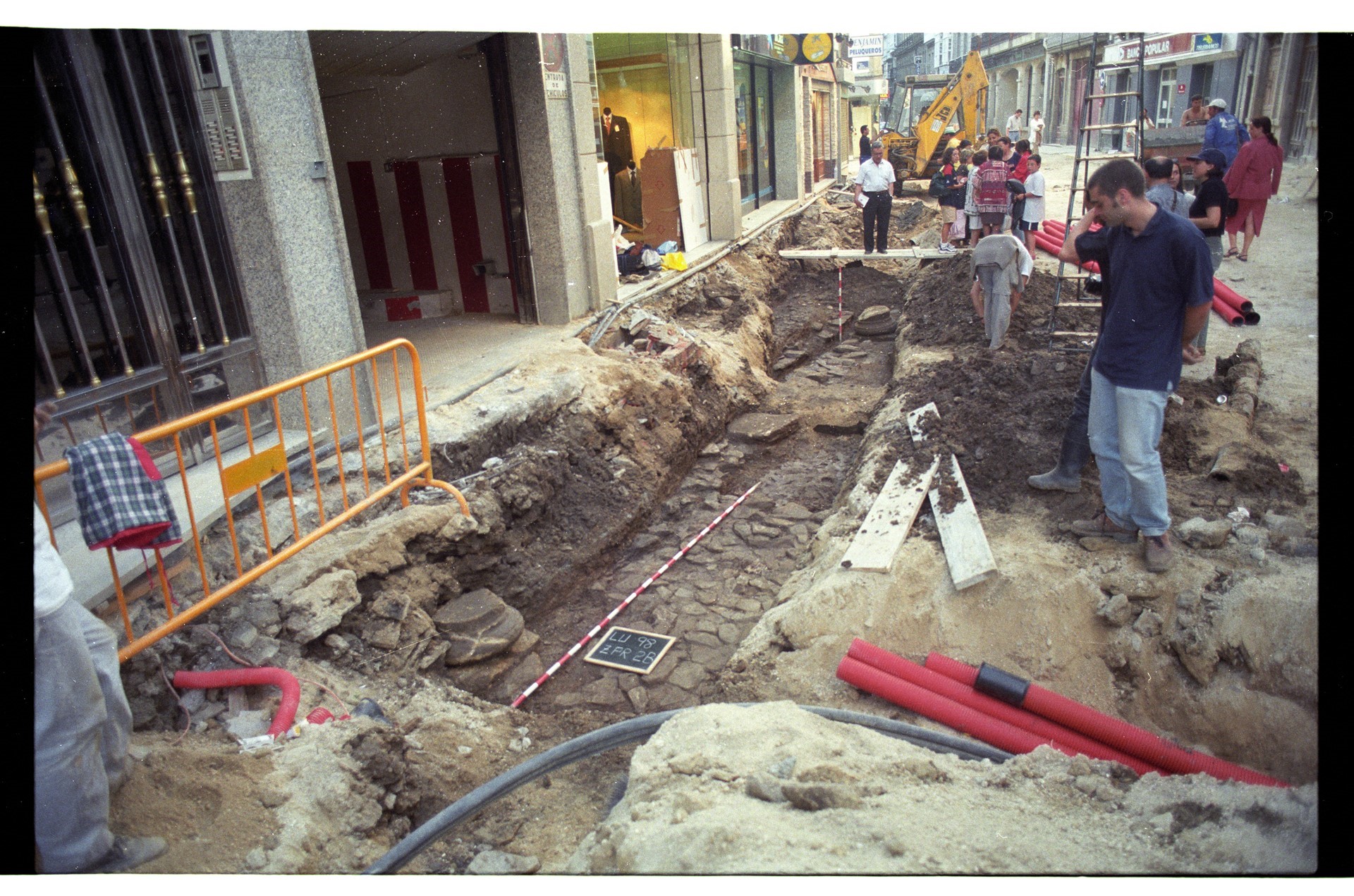 1998 · Rúa Progreso
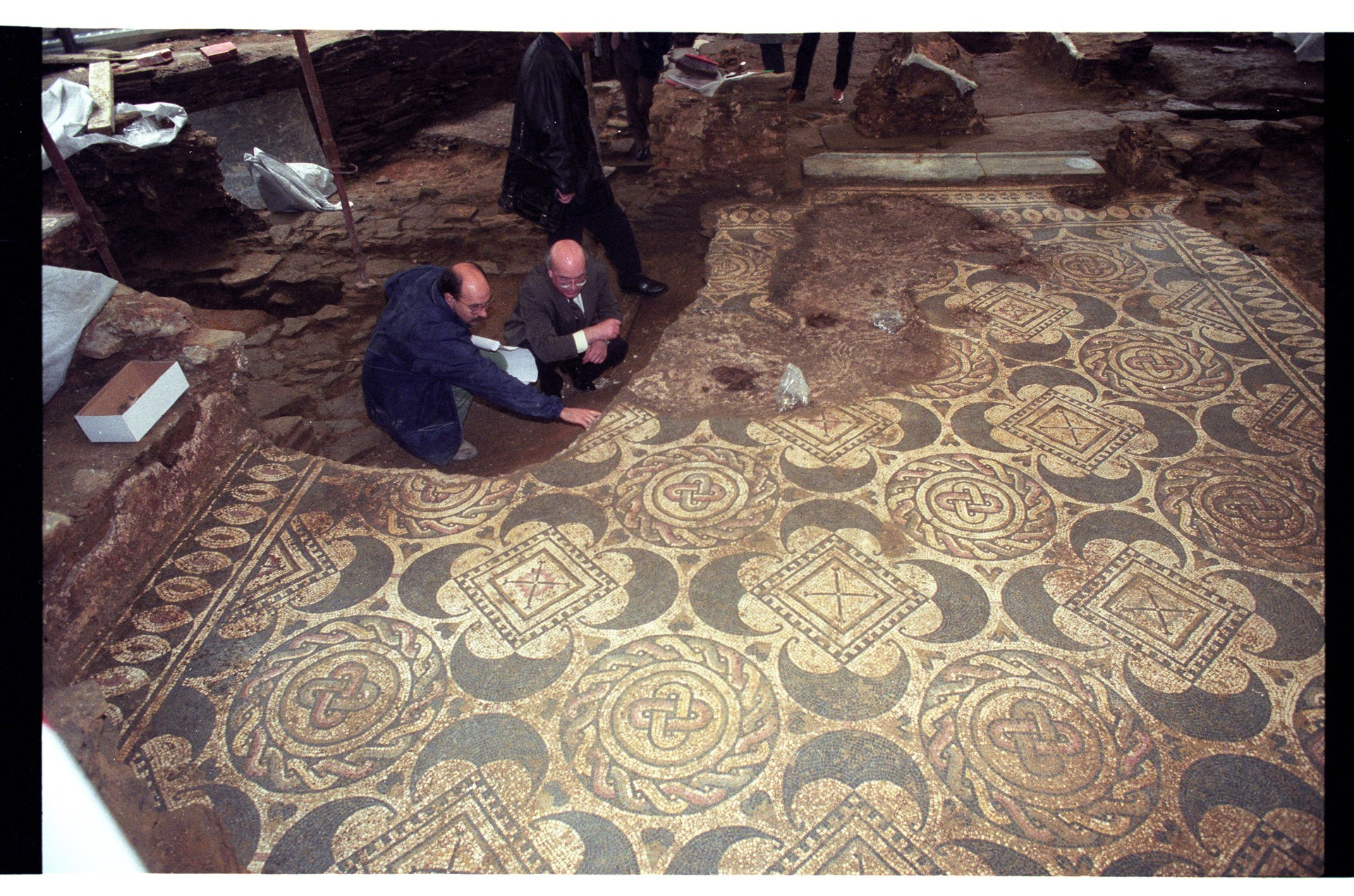 1999 · Rúa Doutor Castro, 20
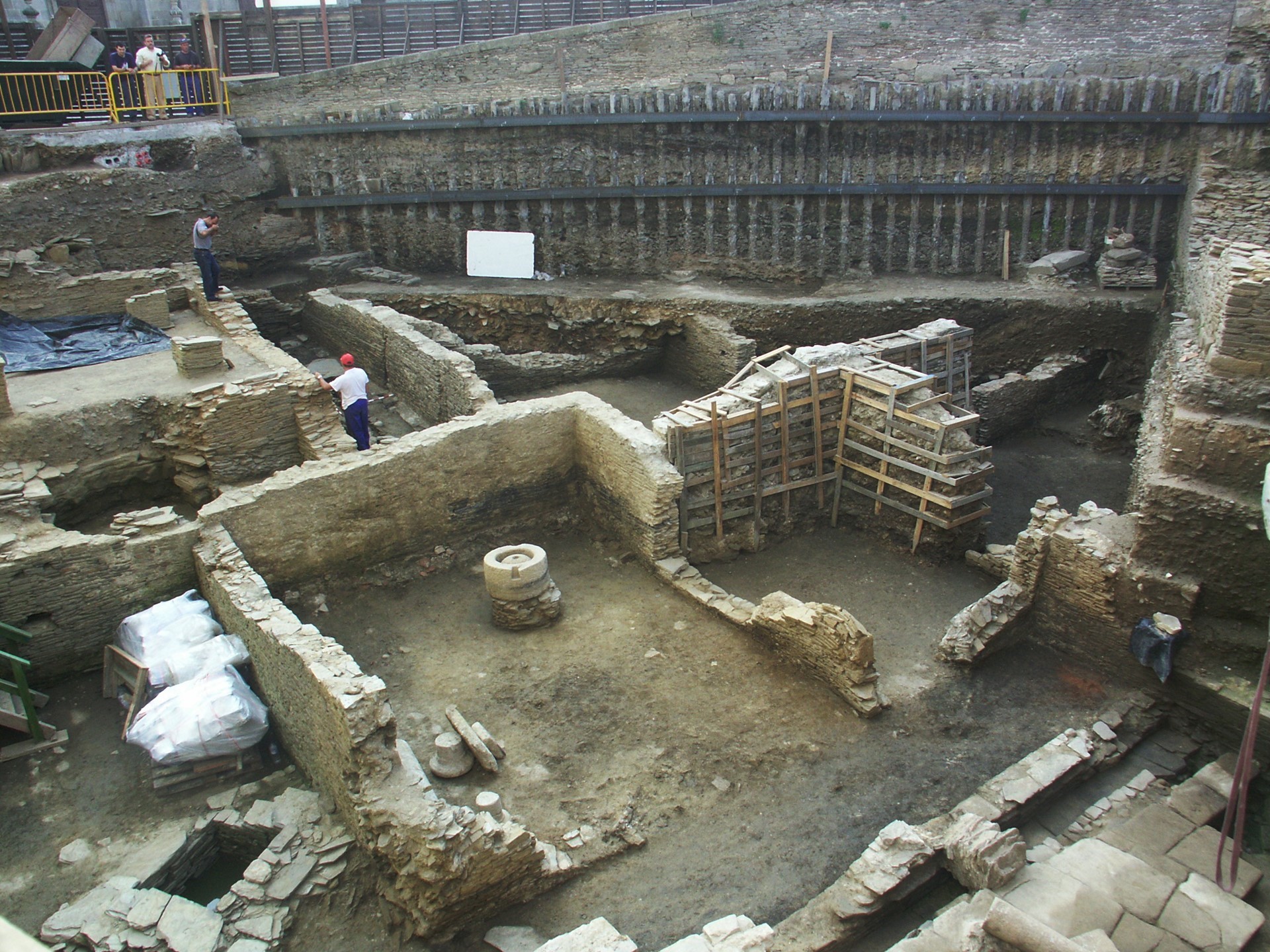 2000 · Solar Vicerrectorado
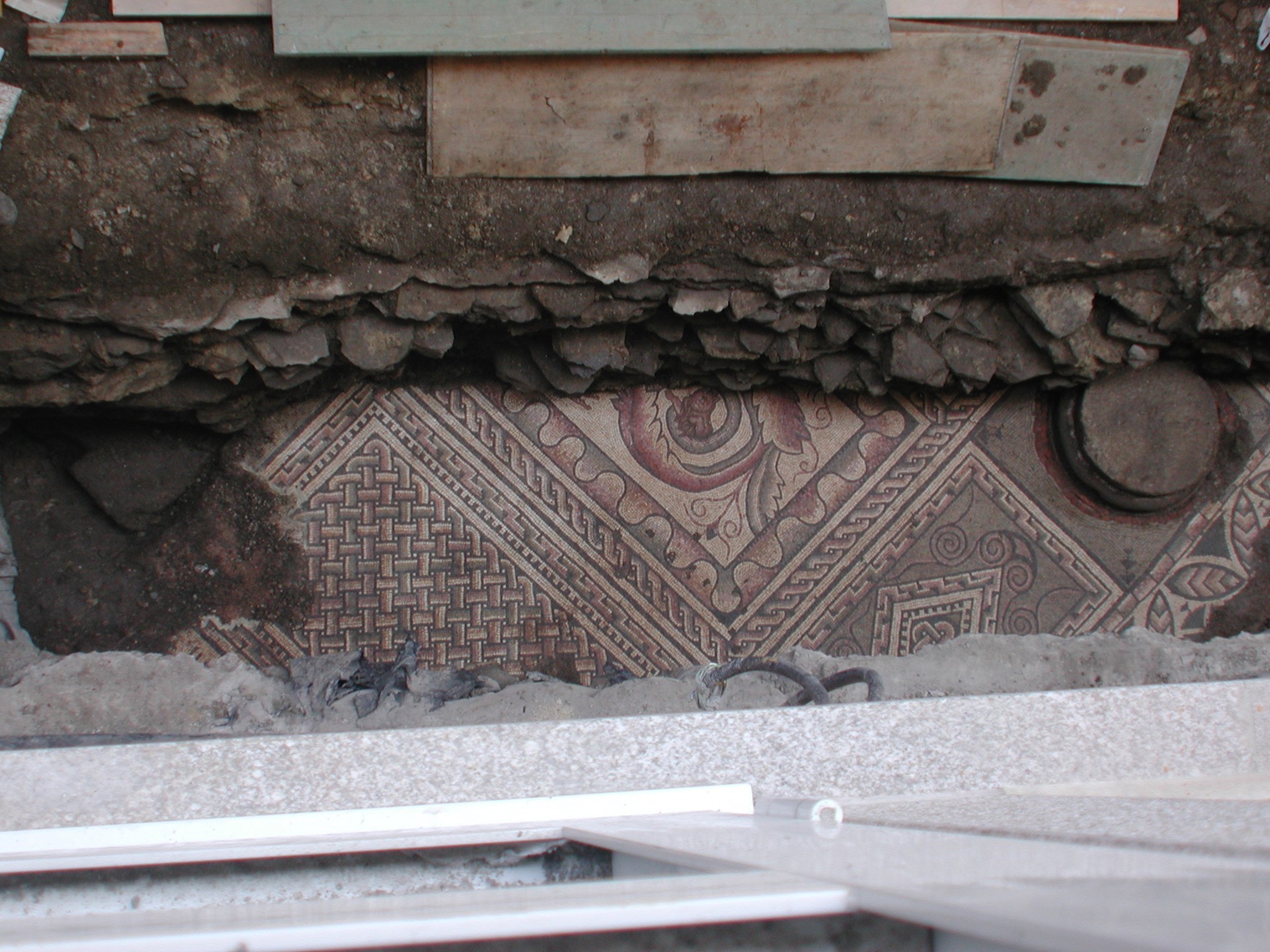 2002 · Rúa Doutor Castro
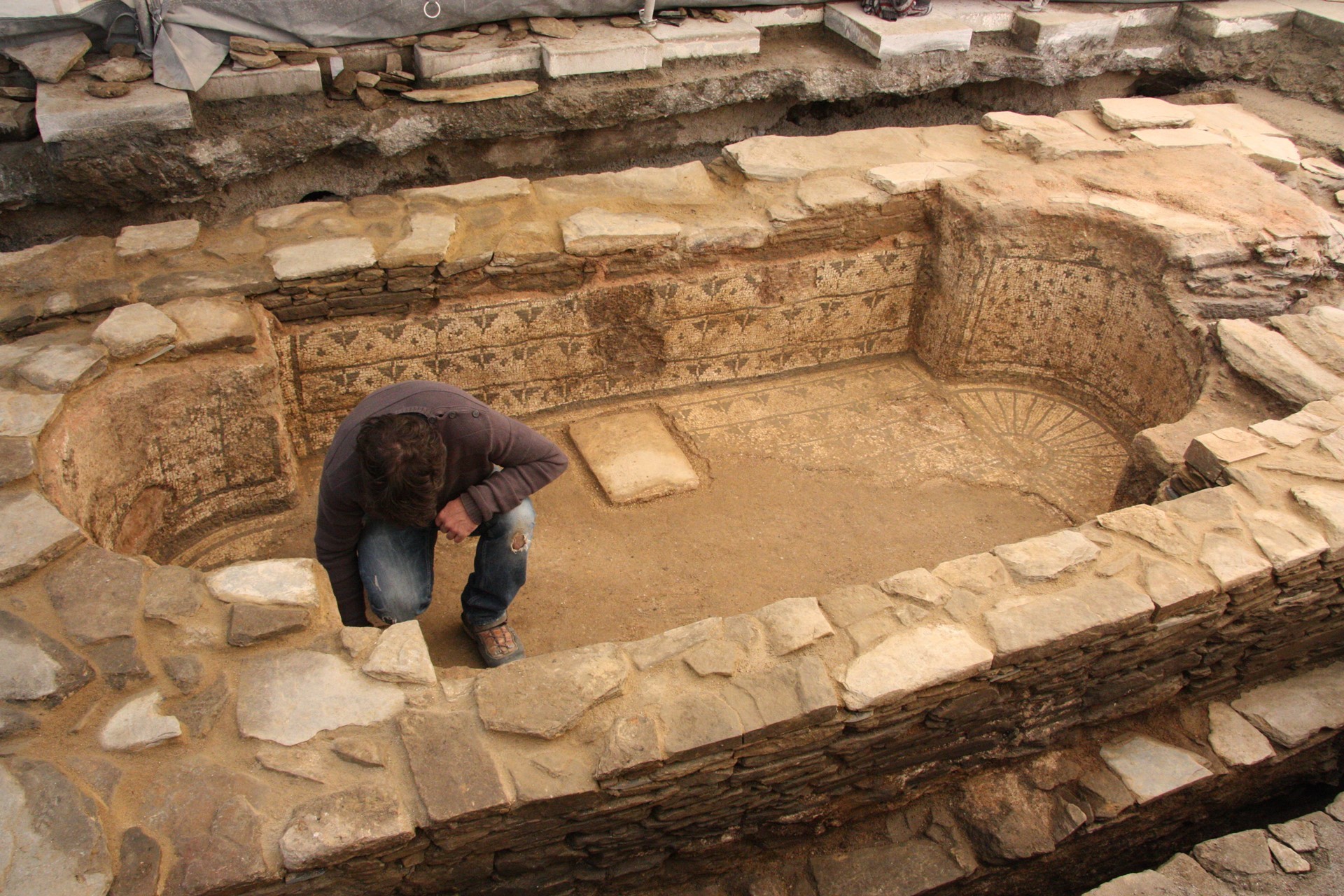 2011 · Praza Santa María
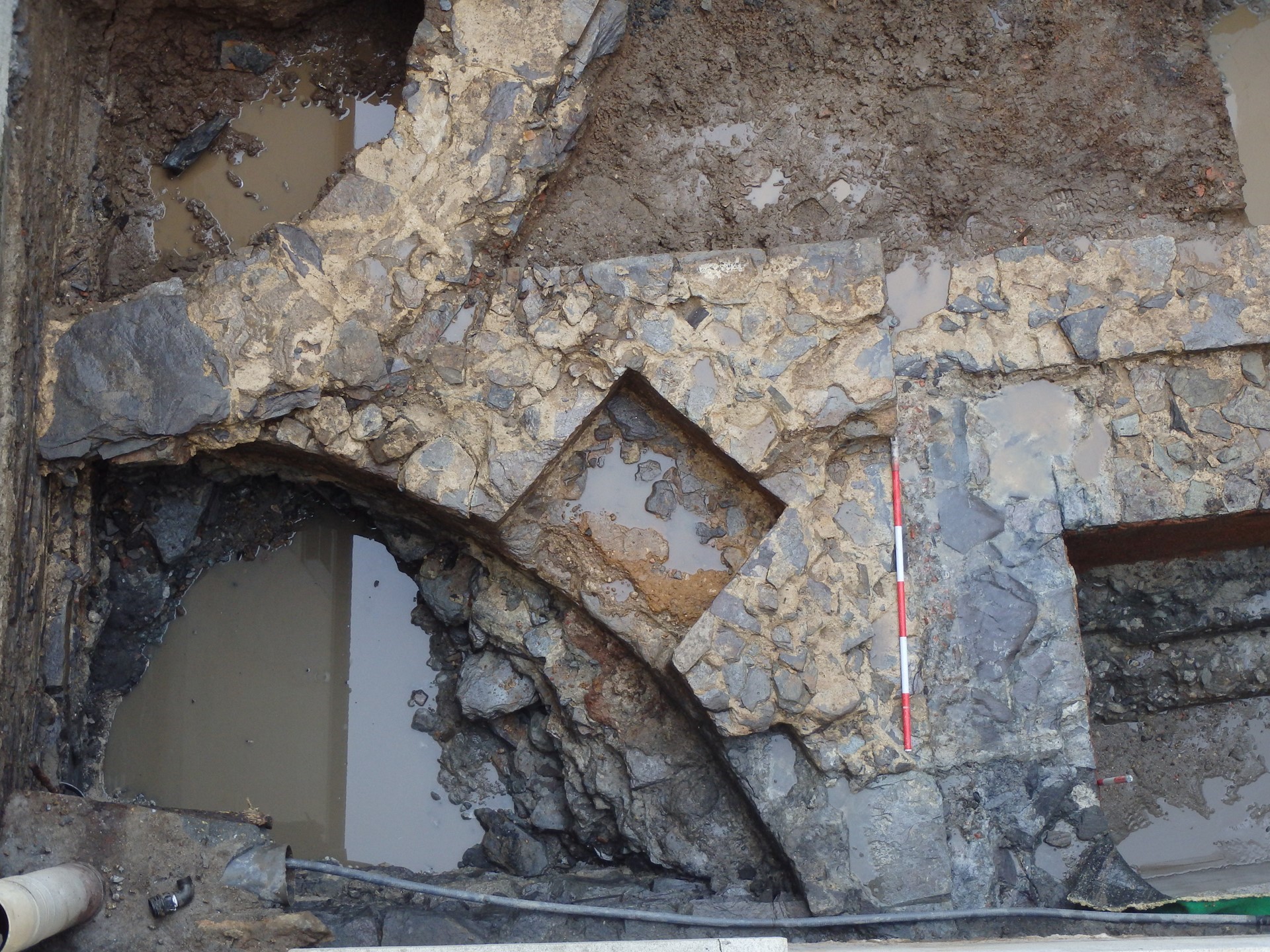 2014 · Termas Romanas
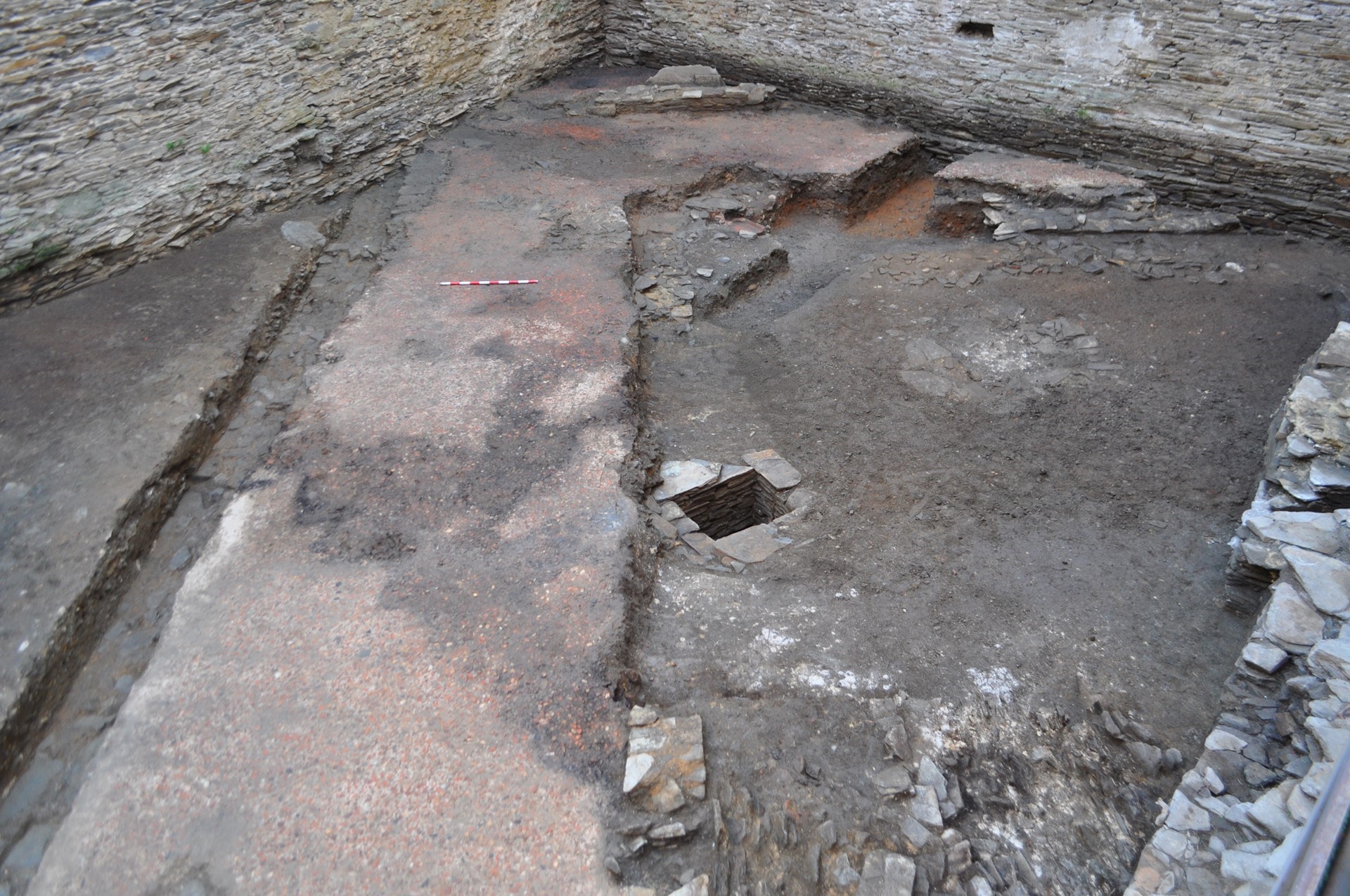 2016 · Praza de Santo Domingo, 22
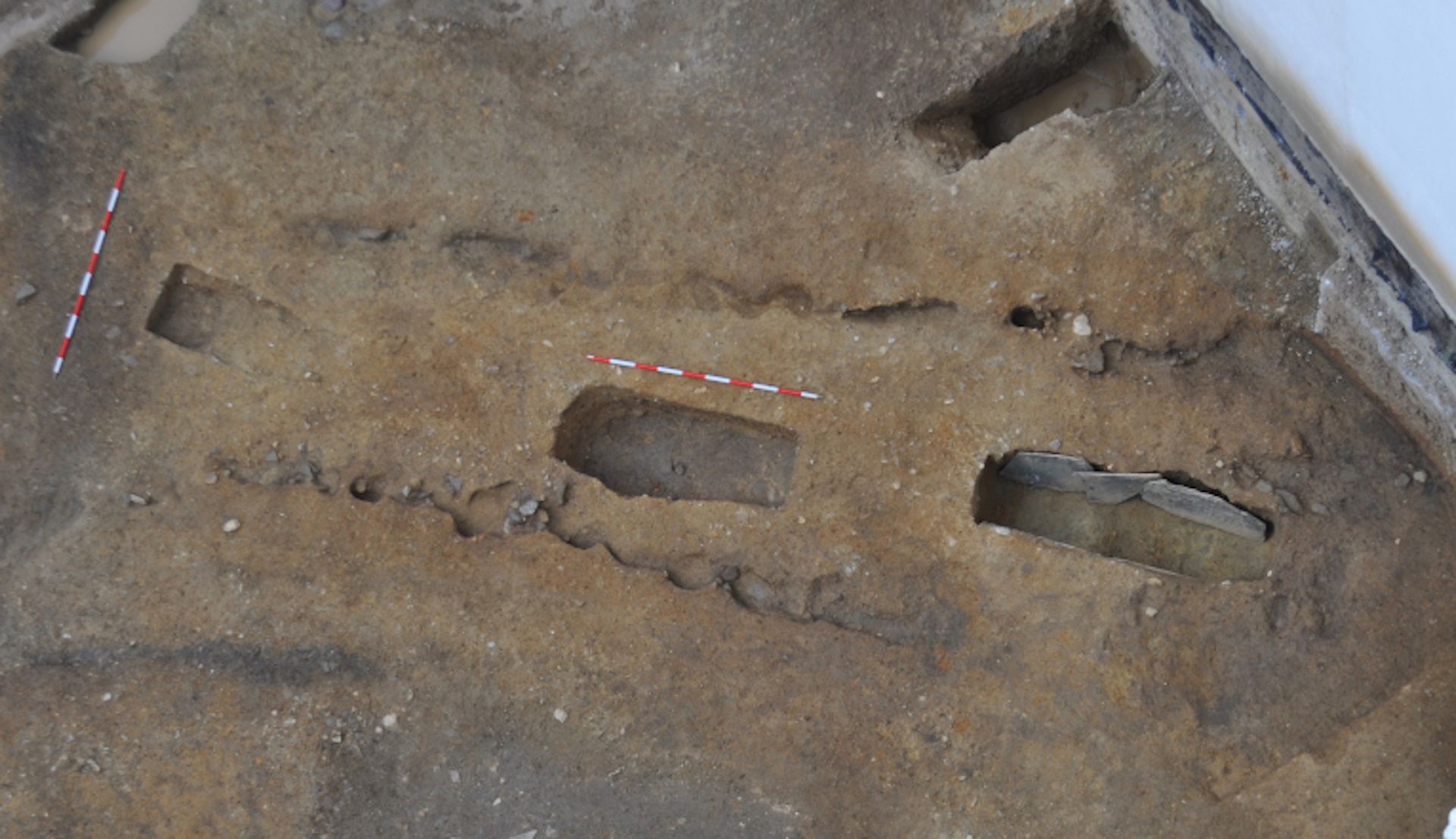 2019 · Rúa Xesta, 3
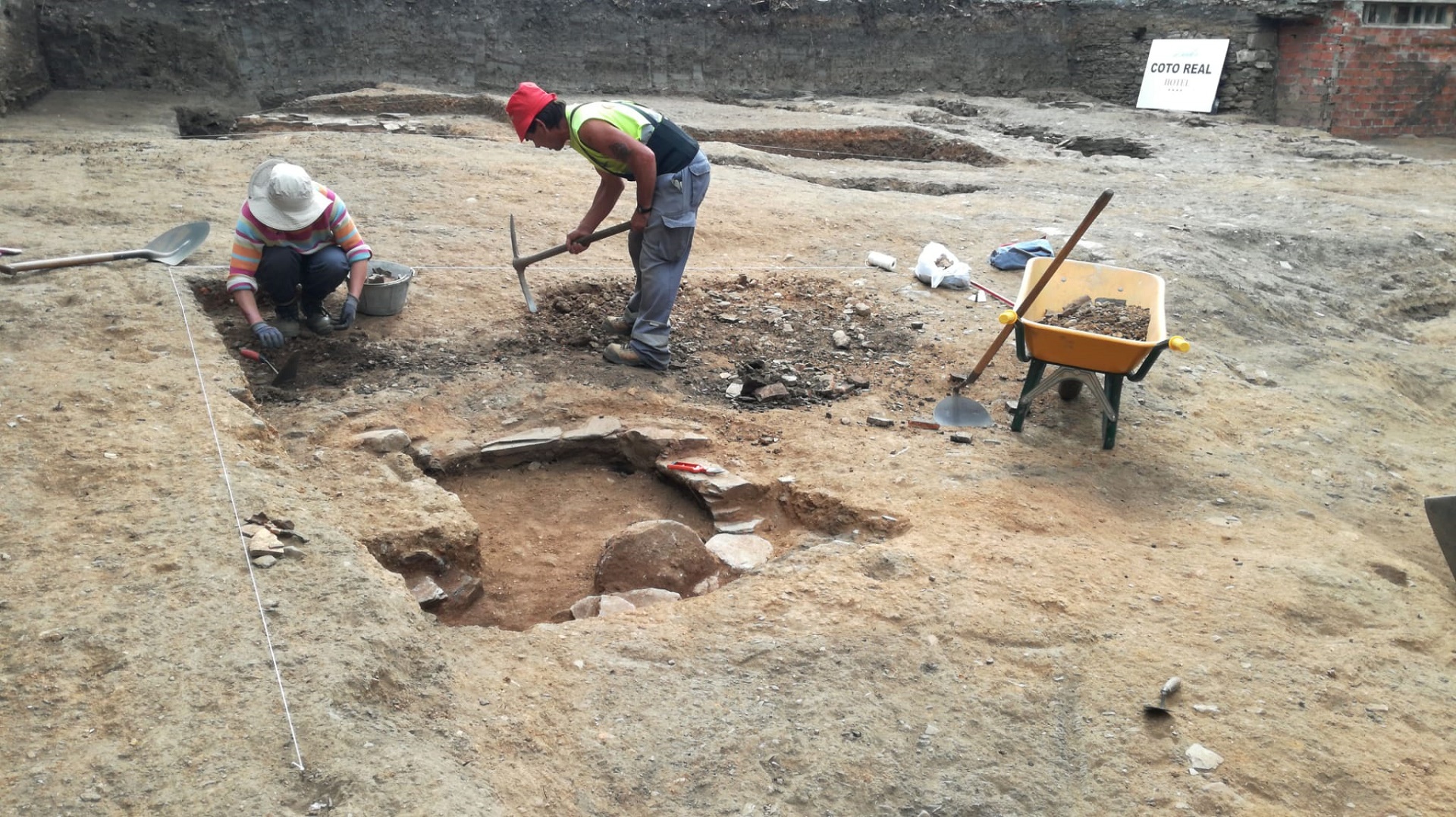 2020 · Rúa San Froilán, 16-18
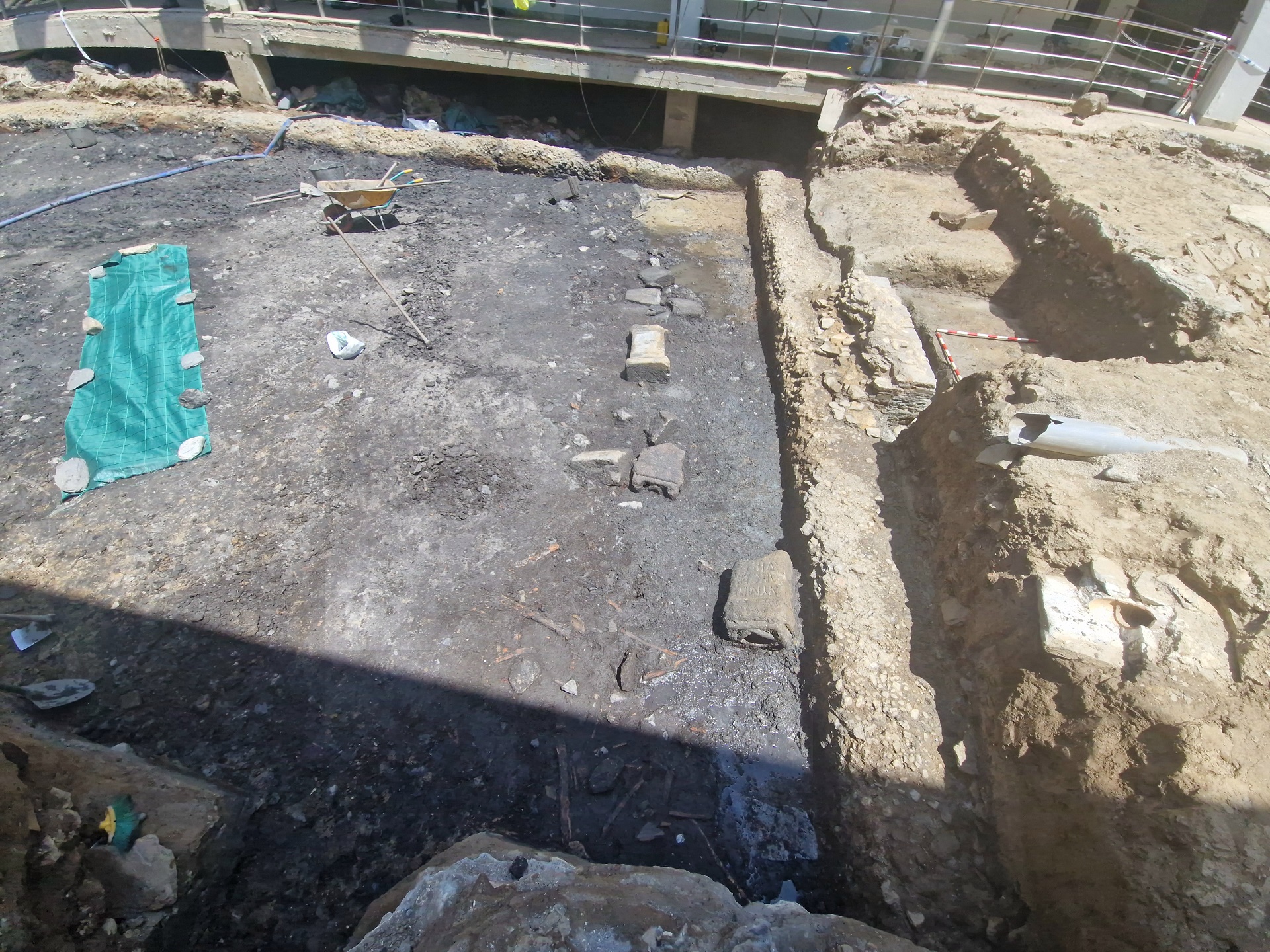 2025 · Termas romanas
|
|
|
At the same time that the excavations of the squares were being completed, in August of that same year, excavations began on the first private plots in the city, in Rúa Armanyá, where two magnificent mosaics were discovered, one of them decorated with the mythological scene of Daedalus and Pasiphae. These are currently on display at the Provincial Museum of Lugo. |
|